 Épingler
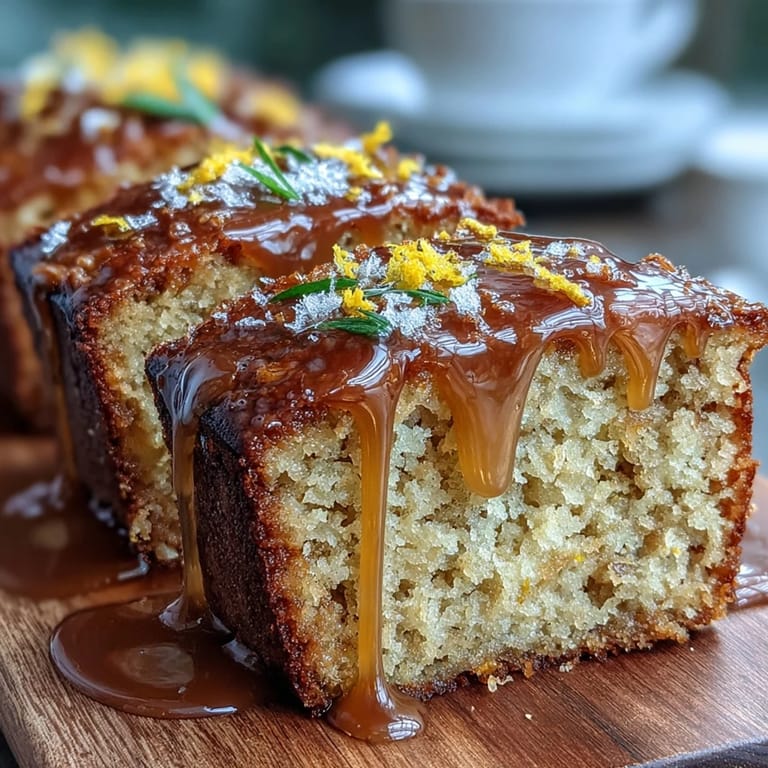
 Last spring, a friend brought a jar of dandelion honey to my kitchen, and I honestly didn't know what to do with it at first. The color was so golden, almost amber, and it smelled nothing like regular honey—floral and delicate, like someone had captured the scent of a meadow in a jar. That afternoon, I decided to build a cake around it, layering that subtle floral sweetness with bright lemon to balance everything out. The result was this tender, moist cake that somehow tastes like spring itself, and now I make it every time I want to feel that same magic.
I made this cake for my mother's book club last May, and watching everyone go quiet after that first bite was worth every minute in the kitchen. One woman actually closed her eyes, and my mom leaned over and whispered, "She's trying to figure out what you did." We didn't tell them about the dandelion honey until after they'd asked for the recipe three times—sometimes it's nice to let people sit with a little mystery first.
Ingredients
- All-purpose flour (2 cups): The foundation of your cake's structure, and it works best when you spoon and level it rather than scooping directly from the bag, which packs it down and can make your cake dense.
- Baking powder and baking soda (1 1/2 tsp and 1/2 tsp): These two work together—the baking powder does most of the lifting, while the baking soda reacts with the acidity of the lemon juice and honey to add lift and help browning.
- Fine sea salt (1/2 tsp): Not just for seasoning; it brings out the honey's floral notes and cuts through the sweetness so the cake doesn't feel cloying.
- Unsalted butter and dandelion honey (1/2 cup each): Room temperature is non-negotiable here—cold butter won't cream properly, and the honey needs to blend smoothly into the butter to create that light, fluffy base.
- Granulated sugar (1/2 cup): This adds sweetness the honey alone can't quite deliver, and creaming it with butter creates tiny air pockets that make the cake tender.
- Large eggs (3), room temperature: Cold eggs won't emulsify properly, so pull them out about 30 minutes before you start; this is the difference between a silky batter and a broken one.
- Pure vanilla extract (1 tsp): It rounds out the flavor profile and adds depth without competing with the delicate floral and citrus notes.
- Whole milk, lemon zest, and lemon juice (1/2 cup milk, 2 tbsp zest, 2 tbsp juice): The milk keeps the crumb tender, while the zest gives bright citrus flavor and the juice adds just enough acidity to balance the honey.
- Powdered sugar and lemon juice for glaze (1 cup sugar, 2-3 tbsp juice): This simple glaze is all about control—add the lemon juice slowly so you can adjust thickness and keep the glaze silky rather than too stiff.
Tired of Takeout? 🥡
Get 10 meals you can make faster than delivery arrives. Seriously.
One email. No spam. Unsubscribe anytime.
Instructions
- Set your mise en place and heat the oven:
- Preheat to 350°F (175°C) and prepare a 9-inch round cake pan with butter and flour or parchment paper. Having everything ready before you start mixing means you won't panic when you're halfway through the batter.
- Combine your dry ingredients:
- Whisk flour, baking powder, baking soda, and salt in a medium bowl. This distributes the leavening agents evenly throughout the flour so you get consistent rise and that tender crumb.
- Cream the butter mixture until it's light and fluffy:
- Beat the room-temperature butter, dandelion honey, and sugar together for about 3 minutes until it looks pale and fluffy—this is where the magic happens, as you're incorporating tiny air bubbles that make the cake rise. You'll know it's ready when you scrape the sides and it looks almost cloud-like.
- Add eggs one at a time with patience:
- Beat each egg in fully before adding the next, and include the vanilla extract, lemon zest, and lemon juice when the eggs are incorporated. If you rush this step, your batter can look broken and separated, which leads to a dense cake.
- Alternate flour and milk gently:
- Add dry ingredients in three parts and milk in two parts, starting and ending with flour, mixing just until combined. Overmixing develops gluten and toughens your cake, so use a gentle hand and stop as soon as you don't see dry streaks.
- Transfer and smooth:
- Pour into your prepared pan and smooth the top with a spatula or the back of a spoon so it bakes evenly.
- Bake until the toothpick test passes:
- Bake for 35 to 40 minutes—a toothpick inserted in the center should come out clean or with just a few moist crumbs. The kitchen will smell like honey and lemon, and you'll start checking it around minute 32 out of pure anticipation.
- Cool with intention:
- Leave the cake in the pan for 10 minutes so it sets slightly, then turn it out onto a wire rack to cool completely before glazing. Rushing this step can cause cracking.
- Make and apply the glaze:
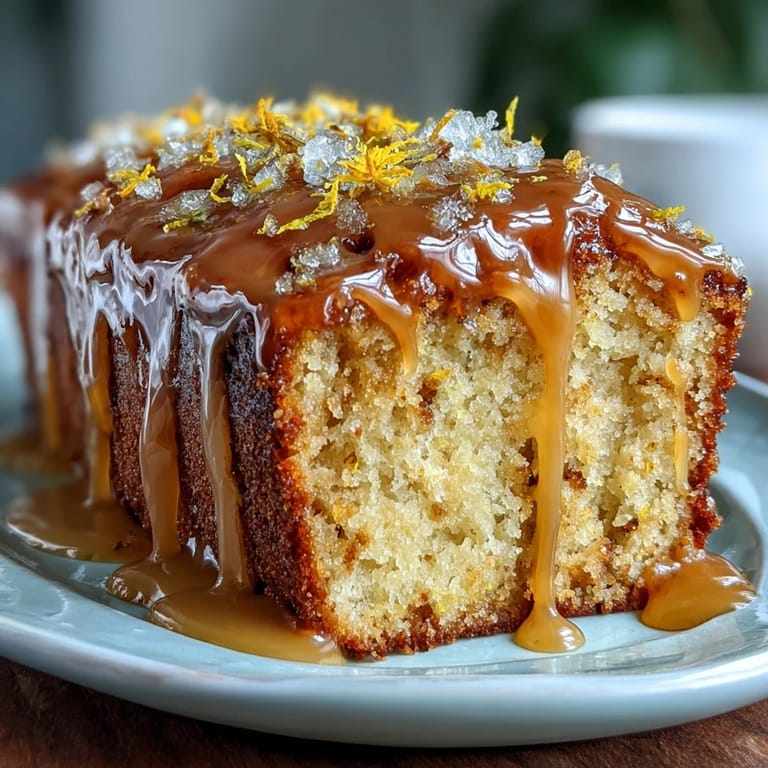
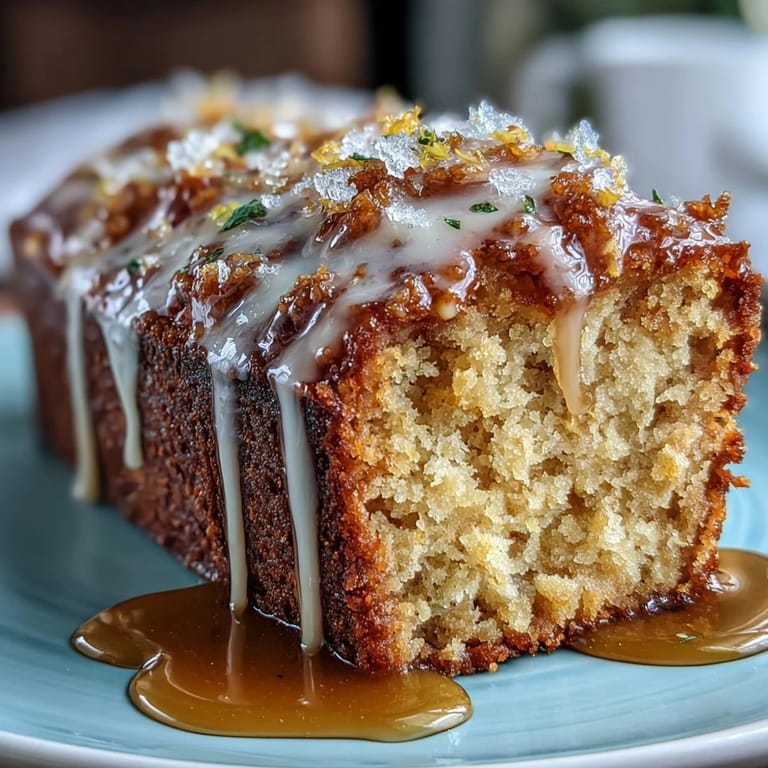
- Whisk powdered sugar, lemon juice (added gradually), and dandelion honey until smooth. Drizzle over the cooled cake and let it set for 10 to 15 minutes so it firms up just right.
 Épingler
 What strikes me most about this cake is how it's become my answer to those moments when someone needs a little brightness in their day. It's not heavy or fussy, just honest and delicate, with that glaze catching the light like it's edible sunshine.
About Dandelion Honey and When to Use It
Dandelion honey is harder to find than other honey varieties, so I've learned to source it from local beekeepers or specialty food shops where they actually know the story behind what they're selling. It's more expensive than regular honey, which is why I save it for desserts where that specific floral quality shines rather than disappearing into something savory. If you find yourself without it, use acacia honey as your next-best option—it's equally subtle and pairs beautifully with lemon.
Why This Cake Works for Spring and Beyond
There's something about the combination of honey and lemon that feels seasonal without being tied to any one holiday or tradition. I've made this cake in May when the weather turns bright, in June for garden parties, and even in gray September afternoons when I need to remember that warmth and light still exist. The floral note in the dandelion honey keeps it feeling fresh and light, never heavy or autumnal, so it works whenever you're craving something that tastes like possibility.
Small Moments That Make This Recipe Better
One afternoon while this cake was cooling, I realized I'd forgotten to zest the lemons before juicing them, so I had to zest what was left of the peel—it worked, but barely. Now I always zest before juicing, and I've learned to zest directly into the batter so none of that precious oil goes to waste. Temperature matters more than ingredients here; bringing everything to room temperature feels like a small ritual that makes the whole process feel intentional rather than rushed.
- If you want to add fresh dandelion petals (from unsprayed plants), finely chop about 2 tablespoons and fold them into the batter for deeper floral flavor and a delicate visual surprise.
- The glaze is forgiving—if it's too thick, add lemon juice drop by drop; if too thin, whisk in more powdered sugar until it coats a spoon.
- Store leftovers covered at room temperature for up to 3 days, and the flavors actually deepen slightly as the cake sits, so don't hesitate to make this a day ahead.
 Épingler
 This cake has become my way of saying "I was thinking of you" without saying it out loud, and somehow that feels more honest than any card. Every time someone bites into that glaze and tastes the honey and lemon together, they understand.
Questions fréquentes sur la recette
- → Comment conserver ce gâteau pour garder sa fraîcheur ?
Conservez-le dans un récipient hermétique à température ambiante jusqu’à 3 jours pour préserver ses textures et arômes.
- → Peut-on remplacer le miel de pissenlit ?
Oui, un miel clair classique peut être utilisé, mais le miel de pissenlit apporte une note florale unique.
- → Comment réussir le glaçage citronné ?
Mélangez progressivement le jus de citron au sucre glace et miel jusqu’à obtention d’une consistance lisse et nappante.
- → Quel ustensile est conseillé pour zester les citrons ?
Un microplane ou zesteur fin permet de récupérer uniquement la partie jaune pour un goût optimal.
- → Puis-je ajouter des pétales de pissenlit dans la pâte ?
Oui, l’ajout de 2 cuillères à soupe de pétales finement hachés intensifie les saveurs florales.